City Transport Manager
Game preview
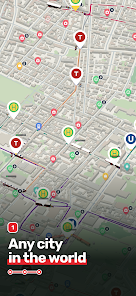
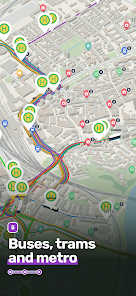
Images supplied with this game listing.
City Transport Manager is a free-to-install Android simulation from PeDePe GbR in which you build a public-transport company on a real-world street map. Place stops, draw bus lines, expand into trams and metro, assign vehicles, and balance passenger satisfaction against operating costs. The attraction is planning a network for a city you recognize, not driving a bus in real time. Google Play lists ads and in-app purchases, and its data-safety panel says some app activity and device information may be collected. Check the current offer and privacy details before investing heavily in a long-running network.
Choose a useful first corridor
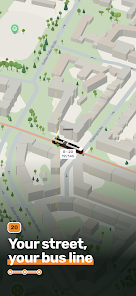
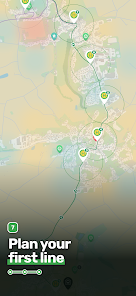
The publisher says you can begin in your hometown or another city. Real streets, buildings, and destinations form the basis of the game map, but the transport network is yours to design. A sensible first line joins a residential area to a place people plausibly want to reach, such as jobs, shopping, or leisure. Put stops where the route can actually serve both ends rather than scattering them for visual coverage. Once passengers begin moving, use their destination patterns to decide where a second line or interchange would help.
This is not a promise that every map detail matches local infrastructure. A Google Play reviewer reported a stop attaching to the wrong road near a parallel street; PeDePe asked for exact stop names through Settings > Feedback & Bug reports so it could investigate. The October 21 update notes say boundary roads, short segments, one-way streets, and some bus lanes were improved. Those are useful changes, but they do not prove every city's map is flawless. If a stop behaves strangely, test a nearby placement and send a reproducible location to the developer instead of building an entire schedule around a suspect road segment.
Build transfers, not isolated routes
City Transport Manager's passengers have destinations and can transfer between lines. The listing says waits, the route they take, and overcrowded vehicles affect satisfaction. That means a profitable-looking line in isolation may still fail as part of a network if its timetable makes the transfer unattractive. Start by observing one corridor; add another line only when it has a clear purpose. Keep interchanges short and assess whether a through route or a transfer is better for the demand you see. The public description does not publish a universal optimal distance between stops, so treat each city as a planning problem.
Buses are the entry point. As the company grows, trams and metro add capacity and different route possibilities. The developer's current update says tram lines can use waypoints, like bus lines, which matters when a direct path would miss a district or follow the wrong geometry. Unlocking a mode is not a reason to replace every bus: consider where a high-demand trunk route benefits from larger vehicles while feeders still need flexible coverage. The game gives you a choice between running the fleet automatically and tailoring service to times of day; adjust schedules only when the additional complexity solves an observable wait or capacity problem.
Vehicles, depots, and money
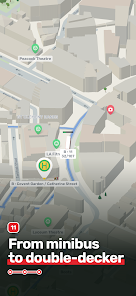
The official listing names minibuses, articulated buses, double-deckers, trams, and metro trains. Match fleet size to demand instead of putting the largest vehicle everywhere. A crowded busy corridor may justify a larger bus or rail service, while an oversized vehicle on a quiet route can add cost without improving the network much. Expand depots as the company grows. You also set ticket prices and watch revenue and operating costs, so a line should be judged by both service quality and its contribution to the company. The public listing does not expose all fare elasticities or maintenance formulas; use the in-game reports rather than claiming a single perfect ticket price.
Goals and milestones award stars that support research, new areas, and upgrades. They can guide progression without replacing your own network diagnosis. If a route is chronically full, adding vehicles or service frequency may matter more than opening an unrelated district for a star. If a vehicle runs nearly empty, inspect the route and timetable before buying another. These are planning principles from the advertised systems, not claims from a personal play test.
How this differs from other builders
Township lets you grow a city through crops, factories, and production; its transport is not the main problem. City Transport Manager makes movement between districts the core game, using real streets and passenger destinations. Hometown FC also links a town to a larger system, but its investments support a football club. Here the network itself is the business. Browse the Android simulation category if you want to compare different kinds of management game. None of these comparisons implies identical map accuracy, difficulty, or monetization.
Price and privacy checks
Google Play currently shows City Transport Manager as free to install with ads and in-app purchases. Its public text does not explain exactly which vehicles, research items, or time-saving options require payment. Review the current in-game purchase screen before planning a route that depends on a paid unlock. The listing's data-safety section says app activity, app performance information, and device identifiers may be collected, reports that data is not encrypted, and says data cannot be deleted through the declared process. These are developer-provided disclosures shown by Google Play; read the full policy and avoid entering information you would not want associated with the app. The listing does not establish an offline mode, so do not assume real-map services work without a connection.
Questions for new managers
Can I use the map of my own city?
The publisher advertises real maps and invites you to start in your hometown or another city. Streets and destinations form the game world, but details can vary with map data and updates. Check the specific area you want before committing to a large network. The developer's response to a stop-placement report shows why a local route should be tested, not assumed perfect.
Do passengers really transfer between lines?
Yes, according to the official description. Passengers have destinations and can transfer, while wait times, chosen paths, and full vehicles affect satisfaction. A network therefore needs sensible connection points and enough capacity on shared corridors. The listing does not specify every routing algorithm, so use in-game feedback to see how your actual passengers behave.
When should I add trams or a metro?
Unlocks provide those modes as the company advances, but there is no published rule saying to replace buses immediately. First identify a corridor where bus capacity or service quality is limiting growth. Then compare the cost and network role of a larger mode. The October 21 update's tram waypoints provide more shaping flexibility, but building a useful line still depends on demand.
Is this a driving game?
No direct-driving mode is described by the publisher. You create a company, plan stops and lines, assign vehicles, set operating hours and prices, and monitor passenger service. If you want steering and traffic reflexes, this is the wrong promise. Its appeal is network design and business management on a familiar map.
Our take on the network challenge
City Transport Manager has a clear identity: a real-map transit-planning game where passenger destinations, transfers, fleet choices, and finances influence one another. The most important caveats are map-data accuracy in particular locations, unclear purchase boundaries, and the Play data-safety disclosures. This assessment follows PeDePe's listing, update notes, and public response to a user report; it is not a hands-on test of a particular city's network.
Official source: City Transport Manager on Google Play. Store information was checked October 22, 2026.
Game information
- Title
- City Transport Manager
- Category
- Simulation
- Platform
- Android
- Download
- Open link