
Shelter Defense
Game preview

Images supplied with this game listing.
Shelter Defense is a free-to-install Android strategy game from Era Evolutions Co Limited, first listed on Google Play on September 22, 2026. A zombie disaster has pushed survivors underground, where you become the shelter's commander. The advertised loop connects base repair, resource production, surface towers, survivor assignments, hero expeditions, and alliances. It is not simply a sequence of tower-defense levels: a failing generator or short food supply can undermine the base between attacks. The store also flags in-app purchases, including random items, so players who want a purchase-free progression path should examine the in-game economy before investing heavily.
Why the shelter begins in trouble
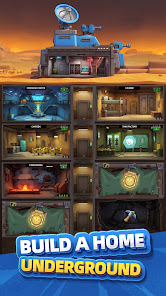
The developer describes an overloaded generator, damaged entrance, weak defenses, and scarce resources. Restoring the power generator, coal mine, and central control room brings essential systems back online. Food, steel, and available space also matter as the underground settlement grows. Rather than expanding every room just because an upgrade icon appears, identify what stops the next useful action: no electricity for a facility, insufficient production for repairs, or a defense line that cannot withstand the next wave. That is a planning method inferred from the described systems, not a claim about exact upgrade costs or a tested optimal build order.
The shelter's interior and the surface are linked. More production can supply better towers; a secure entrance protects the people needed to run that production. If you spend all resources on one side, the other may become the bottleneck. The official description does not disclose construction timers, offline resource rates, or how much of the base can be rebuilt without purchases. Check those details inside the current game before following a rigid guide from a different version.
Surface defense is a continuing investment
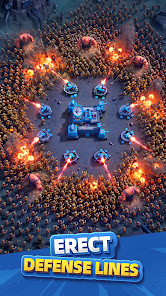
The store advertises placing defense towers, researching blueprints, and upgrading firepower against repeated zombie tides. It also says stronger enemies appear over time. This suggests looking at the whole line rather than only the most powerful individual tower. Before spending on an upgrade, ask whether the entrance needs more coverage, whether a new blueprint changes your options, or whether the resource cost would prevent a necessary generator repair. The public listing does not name individual tower classes, damage statistics, or wave intervals, so we cannot responsibly prescribe a specific formation.
Because the defenses sit on the surface, they are not the entire game. They buy time for shelter management and exploration. If a wave stops progress, revisit both the combat line and the production chain supporting it. That is a more useful diagnosis than assuming every loss means the same tower needs another level. Players who mainly want self-contained tactical rounds may find the wider base and alliance systems more demanding than a standalone tower-defense title.
Survivors, heroes, and the radar
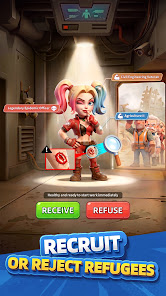
New survivors arrive after you send aid signals. Era Evolutions says their skills can be assessed and people assigned to farms, dining halls, factories, and other stations. Health, mood, and satisfaction are named management factors. This makes a survivor more than a generic unit count: a good assignment may help a production problem, while ignoring morale could leave the settlement fragile. The store does not explain the exact penalties for low satisfaction or how assignments are changed, so review the in-game descriptions before moving everyone into one job.
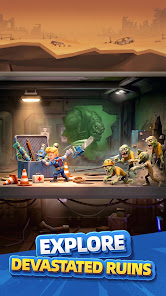
Heroes serve a different purpose. The official page says they enter zombie nests and abandoned facilities to look for supplies, clues, and blood-serum samples. Exploration can therefore feed the shelter as well as advance the story, but the listing does not guarantee what each expedition yields. A repaired radar opens another layer: distress signals, war-vehicle squads, armies, and nearby threats in the wasteland. Those systems suggest progression from emergency repair toward a broader map, not evidence that every map activity is available on day one.
Alliances and spending boundaries
Shelter Defense advertises alliances, competition for resources, and cooperation against threats. That is a meaningful difference from a purely solo survival builder. If you prefer to play without coordinated schedules or competition, verify how much content is tied to alliances before committing. The public description does not state that membership is mandatory, but it also does not promise that all rewards are equally accessible alone.
Google Play marks this title as free to install with in-app purchases and explicitly identifies purchases that include random items. It shows a wide price range in the US listing, but individual packages and regional prices can change. Set a spending limit before participating in draws or limited offers, and check the current odds and terms in the game before paying. Do not treat the store's install button as proof the entire progression is free or that every hero can be obtained by grinding; the public description does not establish either claim.
How it compares with other strategy games
Evony: The King's Return also combines development, heroes, and competition, but its published premise is a larger kingdom rather than rebuilding a damaged underground shelter while zombies press against a surface entrance. Shelter Defense's named generator, coal mine, survivor stations, and tower line give it a more specific crisis-management framing. That does not prove one has deeper strategy; the comparison is about documented systems.
Clash of Clans revolves around a persistent village, troop attacks, and clan play. Shelter Defense appears to demand more attention to interior operations such as power, food, survivor jobs, and morale alongside combat. If your favorite part of a strategy game is planning base production as well as fighting, those differences may matter. If you mostly want short attacks with a familiar clan loop, compare the live gameplay and purchase terms before switching.
Compatibility and data disclosures
At the October 22, 2026 check, Google Play listed version 0.3.7, an update dated September 24, Android 8.0 or later, and a Teen rating for violence and blood. Install size and compatibility can vary by device; use the store's device-specific result instead of an amount copied from someone else's phone. The listing does not establish offline play. Alliances and map competition are online-oriented features, but that alone is not a verified answer about whether any single-player actions work without a connection.
The developer's Google Play data-safety section declares that personal information and device identifiers may be shared with third parties, says no data is collected, and displays “Data isn't encrypted.” These are developer-provided declarations, not a YouxiSky security test, and the combination deserves a careful read rather than a blanket safety claim. Review the current data-safety details and privacy policy before linking sensitive information or making a purchase.
Questions new commanders may have
Is Shelter Defense just a tower-defense game?
No. Towers and zombie waves are important, but the store also describes repairing the underground base, managing food and steel, assigning survivors to stations, dispatching heroes, restoring a radar, and joining alliances. A player who ignores production or people management may miss much of the advertised structure. The listing does not quantify how much time each system takes.
Can I progress without joining an alliance?
The public description presents alliances as a feature and does not say they are required for basic play. It also mentions competitive resources and shared threats, so some rewards or activities may favor cooperation. We have not verified the current in-game access rules. Check the alliance menu and event descriptions before assuming a completely solo account can reach the same milestones.
Does free installation mean heroes are free?
No such promise appears in the official listing. It confirms free installation and in-app purchases, including random items, while saying heroes can be recruited. It does not publish a complete acquisition table or guarantee that every hero is earnable without payment. Inspect current draw rates, purchase packages, and free progression paths in the app before spending.
What Android version is required?
Google Play listed Android 8.0 or later when checked on October 22, 2026. That is an operating-system minimum, not a guarantee that every Android 8 device will run the game well or have sufficient storage. Open the store on the intended phone or tablet for its compatibility result and current download size.
Can I play it offline?
We could not verify an official offline-play guarantee. The advertised alliance and wasteland competition systems involve other players, but the store does not clearly describe the connectivity requirement for every shelter task. If offline access is essential, confirm it in the current app or through developer support before relying on the game during travel.
Our take on the choice
Shelter Defense's appeal is the tension between keeping an underground community functioning and holding a surface defense line. That gives resource planning, survivor assignments, and expeditions a reason to matter beyond a single wave. The trade-offs are an in-app economy that includes random items and data-safety disclosures worth reading closely. This is an assessment of the developer's published systems, not a claim that we played through the campaign or measured its balance.
Official source: Shelter Defense on Google Play. Store details were checked October 22, 2026.