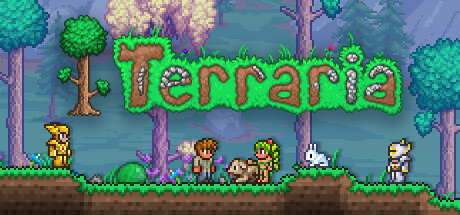
Terraria
- Developer
- Re-Logic
- Publisher
- Re-Logic
- Release date
- May 16, 2011
Screenshots
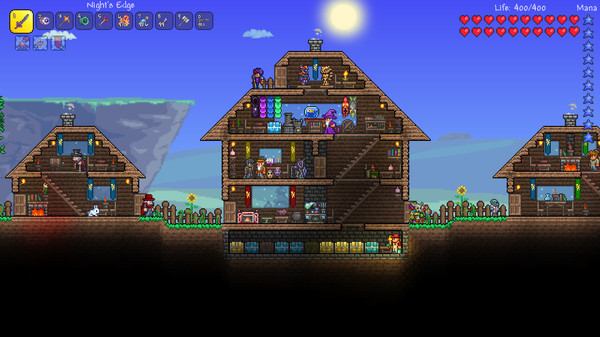
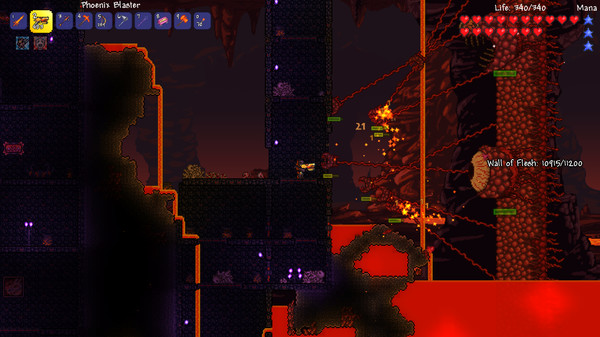
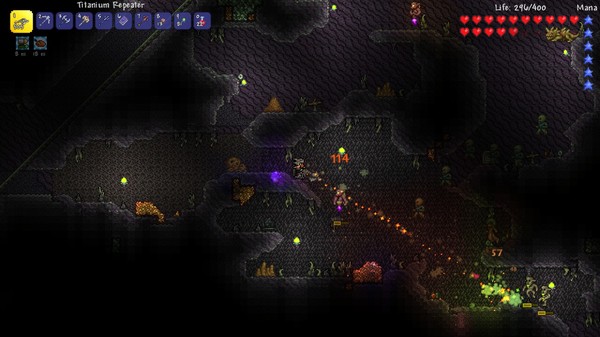
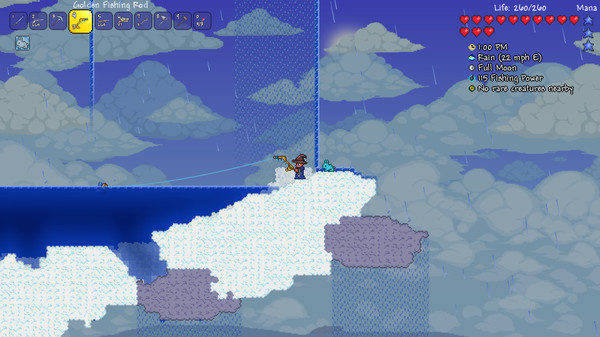
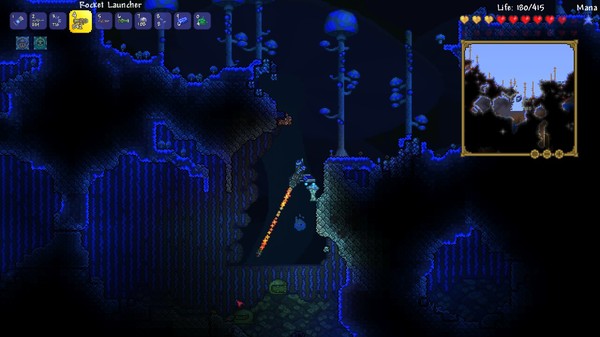
Screenshots supplied with this Steam listing.
Terraria is Re-Logic's 2D sandbox adventure about digging, fighting, exploring, and building in a world you shape. The official Steam page describes randomly generated worlds, materials that lead to new equipment, powerful enemies, and the option to construct a home for allies. It is a paid PC game with single-player and multiplayer features. Its appeal is that one discovery can suggest the next project. Its challenge for a newcomer is that the game rarely confines you to one neat sequence of tasks.
Turn exploration into a useful plan
At first, gather enough basic resources to make a safe place to return to. Then explore with a question: do you need better equipment, a material for a workstation, or a route to a new area? Mining without a goal can still be enjoyable, but a small objective helps when the world feels enormous. Keep room in your inventory for unfamiliar materials and note where a promising obstacle or resource vein appears. A random world will not match every screenshot in a guide, so learn what an item does rather than copying a map coordinate.
Depth and danger rise together. Bring suitable tools and a way to return before a long underground trip. When an enemy is much stronger than your current gear, mark the place and come back after crafting or finding an upgrade. Retreat is part of a sandbox progression loop, not evidence that you explored the wrong place. The official description emphasizes that players choose how to seek survival, fortune, and glory; it does not prescribe one mandatory first-day route.
Crafting, homes, and progression
New materials unlock equipment, useful machines, and decorative possibilities. A simple storage and crafting area can reduce the time spent searching for resources between trips. Build a home that is functional before spending hours on decoration. As allies become available, housing gives the settlement another purpose beyond a personal shelter. A growing town can make an otherwise hostile world feel familiar, while an ambitious building project offers a change of pace after a difficult fight.
Progression is not merely getting a tool with a larger damage figure. An item can improve mobility, defense, or access to a previously unreachable place. Keep equipment that solves a distinct problem rather than discarding everything older. If you are stuck on an enemy, ask whether the missing piece is preparation, an arena you can navigate, or knowledge of its attack. Changing all three at once may win, but it will teach you less about what worked.
Bosses give the sandbox direction
Steam mentions challenging foes as one possible focus of the adventure. A boss can function as a milestone that tests the gear and resources you gathered. Prepare a space with room to move and supplies you know how to use, then watch for a repeatable pattern. Do not assume every boss should be faced as soon as you discover it. Exploring another biome or improving a workstation may make the next attempt more interesting and less wasteful.
Terraria's balance of freedom and progression differs from Stardew Valley. Both permit a self-directed daily routine, but Terraria leans much more heavily into combat, equipment, and dangerous exploration; Stardew Valley gives farming and social relationships a larger role. A player seeking a calm countryside may not find the same mood in a cavern full of enemies.
Playing with others
The Steam page lists multiplayer, online co-op, and PvP in addition to single-player. A shared world can divide jobs naturally: one player builds, another explores, and another gathers materials. Agree on whether valuable finds are shared and whether bosses may be triggered when someone is absent. A group that treats the world as a common project will have a different experience from players racing ahead independently. Check current connection and platform requirements with the people you intend to play with.
Single-player remains a complete option. It lets you experiment at your own pace and return to a construction idea without group scheduling. If multiplayer is your reason for buying, verify the current version and hosting approach rather than relying on an old forum answer. This page describes official feature categories, not a tested connection quality for a particular network.
Buying the Steam version
Review the current Steam listing for price, platforms, languages, controller options, and system requirements. The store describes free content updates, but do not confuse that with the base game being free. A mobile edition exists separately; this PC page should not be used to assume identical controls, saves, or multiplayer arrangements across editions. Check the relevant store for the platform you will actually use.
Terraria fits a player who enjoys setting their own goals, improving tools, surviving surprises, and building a world over time. It is less suitable for someone who needs constant quest direction or dislikes returning from a failed expedition with a new plan. Start small, keep useful materials organized, and let each discovery suggest the next trip. That is the game's distinctive rhythm, as represented by the developer's official description.
Official source: Terraria on Steam.
System requirements
WindowsMinimum
- OS: Windows Xp, Vista, 7, 8/8.1, 10
- Processor: 2.0 Ghz
- Memory: 2.5GB
- Hard Disk Space: 200MB
- Video Card: 128mb Video Memory, capable of Shader Model 2.0+
- DirectX®: 9.0c or Greater
Recommended
- OS: Windows 7, 8/8.1, 10
- Processor: Dual Core 3.0 Ghz
- Memory: 4GB
- Hard Disk Space: 200MB
- Video Card: 256mb Video Memory, capable of Shader Model 2.0+
- DirectX®: 9.0c or Greater
Check the current Steam listing for the latest platform-specific requirements.