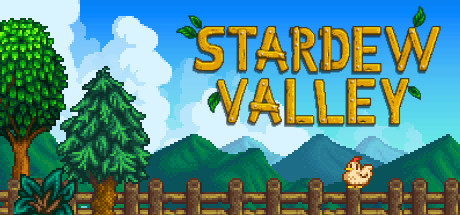
Stardew Valley
- Developer
- ConcernedApe
- Publisher
- ConcernedApe
- Release date
- Feb 26, 2016
Screenshots
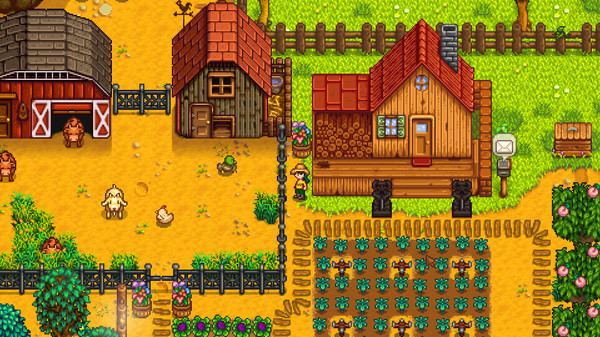
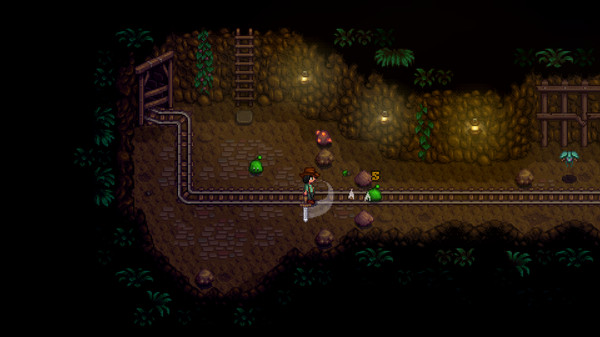
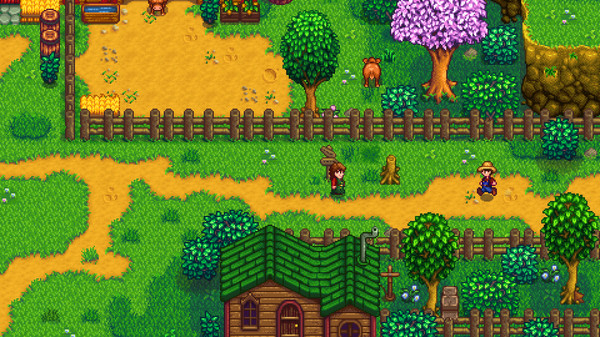
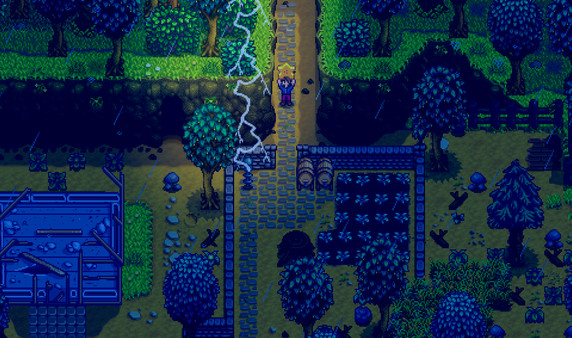
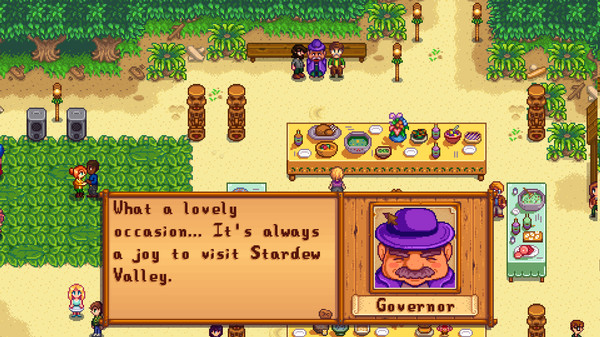
Screenshots supplied with this Steam listing.
Stardew Valley is ConcernedApe's open-ended country-life RPG. You inherit an overgrown farm and decide how to turn it into a home through crops, animals, fishing, mining, crafting, and relationships with the people around you. The Steam version is a paid PC game and includes single-player and co-op features. Its flexibility is the attraction: a day can be spent planning a harvest or exploring a cave. The same freedom can overwhelm a new player who expects a single clear objective or tries to complete everything at once.
Build a farm around one immediate need
The official description lists crop growing, animal care, orchards, and crafted machines. Early on, do not fill every available tile with crops if you cannot comfortably water and harvest them. Start with an area you can maintain, keep a little money for seeds or a practical tool, and expand when the daily routine leaves room. A beautiful farm layout can come later. Learning which actions consume time and energy gives you more control than copying an advanced layout built for a different stage of the game.
Production becomes more interesting when one activity feeds another. A crop can be sold for immediate income, used in a recipe, or processed once you have an appropriate machine. Animals create a recurring care routine and products. The best next purchase depends on whether your bottleneck is cash, time, storage, or a material needed for a larger project. That question is more useful than a universal rule to buy the most expensive item first.
The valley offers more than farming
Steam lists five areas of skill growth: farming, mining, combat, fishing, and foraging. Mining can supply materials while introducing combat; fishing and foraging provide alternatives when you do not want another day entirely devoted to crops. Explore at your own pace, but take enough supplies when visiting a dangerous area and leave time to get home. If you struggle with one activity, pursue another for a while. Stardew Valley's open structure gives several routes toward progress.
The community center and the town's relationship with Joja Corporation provide a broader reason to gather and plan. Talk to villagers and notice their schedules, but do not turn every relationship into a checklist. The game supports a slower rhythm in which seasonal events, discoveries, and a neighbor's story can be goals in their own right. A person looking only for fast competitive rewards may find that pace too gentle.
Co-op changes how to plan
The current Steam page advertises farming with up to eight players online and says the group can share resources and adjust profit margins. Before inviting everyone, discuss whether money and chores are shared, how far players may advance the story without the rest, and which farm improvements are a common priority. A cooperative farm can move quickly, but unspoken expectations can make it less relaxing than a solo one. The store also lists local and online co-op categories; verify the current setup and platform compatibility that your particular group needs.
A solo player loses nothing essential by starting alone. Single-player allows you to learn the calendar, the town, and the mechanics without coordinating schedules. A friend who joins later may enjoy a more established farm, but check the current in-game rules for adding players to a save. If you want a more combat-driven sandbox with mining and crafting, Terraria answers a different question; the two share resource gathering but differ strongly in atmosphere and goals.
Seasonal planning without making it a job
Look at the current season and the remaining days before planting something new. Choose a few activities to prioritize and leave margin for unexpected events. A flexible plan might be: maintain the main crop area, collect materials for one upgrade, then spend spare days meeting villagers or fishing. If you miss an event or an ideal harvest, the game continues. That is important for beginners who mistake a guide's optimized schedule for the only valid way to play.
Keep tools and materials organized enough to find them later. A small set of labeled chests can save more frustration than another ambitious field. These are planning suggestions inferred from the systems in the official description, not claims that we tested the present PC update or found one mathematically optimal farm.
Which edition and platform?
Stardew Valley is available in more than one ecosystem, but this page concerns the Steam PC version. Do not assume a feature, mod, controller behavior, or multiplayer mode works identically on a mobile edition. Review Steam's current supported platforms, languages, PC requirements, co-op features, and price before purchase. The captured store page lists the game as released; offers and features may still change through updates.
Choose Stardew Valley if you enjoy a self-directed routine, incremental improvements, and a friendly place that rewards curiosity. Avoid buying it as though it were a tightly plotted quest with a fixed end date. The practical first goal is simple: build a manageable farm and learn the valley one day at a time.
Official source: Stardew Valley on Steam.
System requirements
WindowsMinimum
- OS *: Windows Vista or greater
- Processor: 2 Ghz
- Memory: 2 GB RAM
- Graphics: 256 mb video memory, shader model 3.0+
- DirectX: Version 10
- Storage: 500 MB available space
Recommended
No separate recommended specification is listed.
Check the current Steam listing for the latest platform-specific requirements.
Game information
- Title
- Stardew Valley
- Category
- Simulation
- Developer
- ConcernedApe
- Publisher
- ConcernedApe
- Release date
- Feb 26, 2016
- Platforms
- Windows, macOS, Linux
- Steam App ID
- 413150
- Official store
- Steam