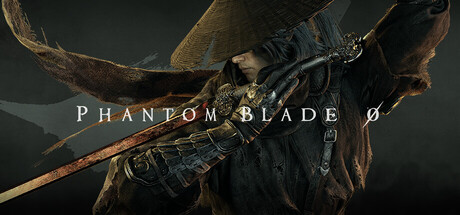
Phantom Blade Zero Beginner Combat: Deflects, Dodges and Safe Counters
A source-led beginner plan for reading enemy strings, learning deflects and dodges, and adapting to boss phases without a fake best build.
In this guide
Phantom Blade Zero rewards reading an attack before answering it. S-GAME describes a combat flow of dodge, deflect, counter and strike, and its first gameplay explanation singles out reactive parrying and dodging. That makes the first useful habit surprisingly simple: do not begin every encounter with your longest combo. Watch one enemy sequence, find the end of it, and attack during the opening you can recognize. This guide is a decision framework from the developer's published mechanics, not a frame-by-frame claim about every enemy in the current build.
Learn one defensive answer at a time
Start with an ordinary enemy and observe the entire attack string from a safe distance. Look for a repeatable wind-up, a pause between strikes and the point at which the enemy returns to a neutral stance. Then practice one response: dodge to avoid the sequence, or deflect a strike whose arrival you can read. Switching between both reactions without understanding the rhythm makes it hard to know why a mistake happened. When you can recognize the opening, add one short counter rather than a full string that may run into the next attack.
S-GAME's official description calls the combat easy to learn but rewarding to master. That is a statement about design intent, not a guarantee that every boss is easy. If you are losing repeatedly, change one variable per attempt. Try a different defensive answer to the same move, shorten your punish window, or switch to a weapon with a reach that fits the encounter. If you change difficulty, weapon and timing all at once, you learn less from the next result. Steam confirms adjustable difficulty, so reviewing the settings is a legitimate option rather than a failure of the “correct” way to play.
Keep the weapon plan simple while learning
The published equipment design allows two main weapons and two Phantom Edges. Steam advertises more than thirty primary weapons and over twenty Phantom Edges, but quantity is not a reason to rotate through every new item immediately. Use one familiar main weapon while learning the enemy's distance and recovery. Reserve the second main-weapon slot for a different range or attack pace. Treat a Phantom Edge as a situational tool: identify the problem it solves before adding it to a combo. The official material does not establish a universal best beginner loadout.
For a more detailed comparison of the two equipment types, read our weapon and Phantom Edge guide. The Steam game page has the current platform and system information. An earlier Epic preview explainer covers Sha-Chi and the named difficulty modes observed before release; verify final-build tuning in the game rather than treating a preview as a permanent rules document.
Use bosses to test what you have actually learned
The official Seven Stars Sword Formation footage shows why ordinary enemy habits may not transfer unchanged to a boss. Several swordsmen coordinate in its first phase, then the surviving disciples manipulate their leader in a more erratic second phase. Rather than asking which attack deals the most damage, ask whether you can reliably identify the end of a group sequence and whether your chosen response still works after the transition. A long combo that was safe against a lone opponent may be a poor default against coordinated strikes.
Do not assume the trailer reveals the full current boss move list or exact input windows. Use it to understand the kind of adaptation the game asks for, then let the in-game encounter supply the final timing. If a boss remains confusing, take a short attempt devoted only to watching and surviving. That can be more productive than spending every attempt trying to force damage before the pattern is clear. Our Seven Stars guide separates the two demonstrated phases.
Quick questions
Should I always parry instead of dodge?
No official rule says one response is universally correct. Both are named parts of the combat system. Choose a response you can execute consistently against the move you have actually seen, then experiment with alternatives after you understand its timing.
Is there one required difficulty?
Steam lists adjustable difficulty. An earlier Epic hands-on identified several named settings, but their final tuning belongs to the current game. Choose the setting that helps you learn the combat rather than assuming a harder label is necessary to experience the story.
Sources: S-GAME's first gameplay explanation, official Seven Stars footage and description, and current Steam listing. Checked November 4, 2026.